There are no items in your cart
Add More
Add More
| Item Details | Price | ||
|---|---|---|---|

With vegetable prices reaching unprecedented levels, diners might find themselves paying more for their meals when eating out. Staple vegetables like onions and tomatoes have seen a sharp price surge, leading many restaurants to consider raising their menu prices and discontinuing discounts. As reported by TOI, the sudden hike in vegetable prices is impacting the restaurant industry, from large chains to small eateries, and making dining out costlier for consumers.
Larger Restaurants Absorbing Costs—For Now
While larger establishments like Oh! Calcutta and Mainland China are currently absorbing the rising costs, a price review seems inevitable. Anjan Chatterjee, founder of Speciality Restaurants, highlighted that the spike in vegetable prices is "shrinking bottom lines," making the situation unsustainable for much longer. "We don't know what tomorrow holds," Chatterjee told TOI, indicating that price hikes may soon follow if the situation continues.Quick Service Restaurants (QSR) are also struggling. Sagar Daryani, co-founder and CEO of Wow! Momo, noted that the rising prices of key ingredients like tomatoes and chilies, essential for sauces, could force them to increase their prices by August or September if the situation does not improve. Despite not raising prices in the last year, Daryani said automation is helping them manage costs, but further price hikes might be unavoidable if the price surge persists.

Small Eateries Feeling the Pinch
Smaller restaurants and food joints are being hit harder. Mumbai’s Bites N Grill has already taken steps to reduce costs by cutting down on the use of tomatoes in their burgers and removing Caesar and Greek salads from their menu due to skyrocketing lettuce prices. Founder George Kuriakose shared that these measures were necessary to offset the impact of the price surge on their bottom line.Other small eateries, like burger joint Boba Bhai, have started rolling back discounts on certain items to manage their increased costs. Dhruv Kohli, founder of Boba Bhai, mentioned that these changes are essential to remain financially viable as price-sensitive customers might resist paying significantly higher rates.
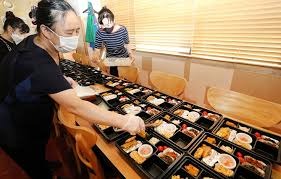
Automation and Vendor Support to Combat Rising Costs
Larger chains like Wow! Momo are exploring automation as a way to control labor costs, helping them manage the financial impact of rising vegetable prices. Meanwhile, some bigger brands are also supporting their vendors who are struggling due to the cost surge. For instance, Farzi Café and Masala Library have extended financial assistance to their smaller suppliers to help them cope with these challenges.
Climate Change Compounding the Issue
Adding to the complexity of the situation, climate change is also affecting the availability and quality of vegetables. According to Chirag Makwana, head chef at Olive Bar & Kitchen in Mumbai, erratic weather patterns have made sourcing high-quality produce more difficult, further impacting menu planning and inventory management. Makwana explained that while they aim to minimize the cost impact on customers, price increases might still be inevitable as restaurants navigate these difficult conditions.

Conclusion
As vegetable prices continue to rise, restaurants across the board are being forced to rethink their pricing strategies. Larger establishments may be able to hold off on increasing prices for a while through automation or vendor partnerships, but for smaller eateries, the financial strain is already being felt. Consumers should be prepared to pay more for dining out in the coming months, as these price hikes seem unavoidable in the current market.
 Launch your Graphy