Key Measures in the 2022-23 Budget
In the financial year 2022-23, Deputy Chief Minister Manish Sisodia announced plans to boost Delhi’s hospitality sector. These include allocating land for cloud kitchens, redeveloping major food hubs, and allowing bars in hotels and restaurants to stay open late as part of the new excise policy. Additionally, Sisodia unveiled a food truck policy allowing trucks to operate in designated spots from 8 PM to 2 AM, further supporting the city's growing food industry.Delhi has emerged as a hotbed for cloud kitchens, with more than 2,000 kitchens currently operating and growing at a rate of over 20% annually. These kitchens have become an integral part of the restaurant industry, providing an affordable way for businesses to serve customers without a traditional dine-in setup.
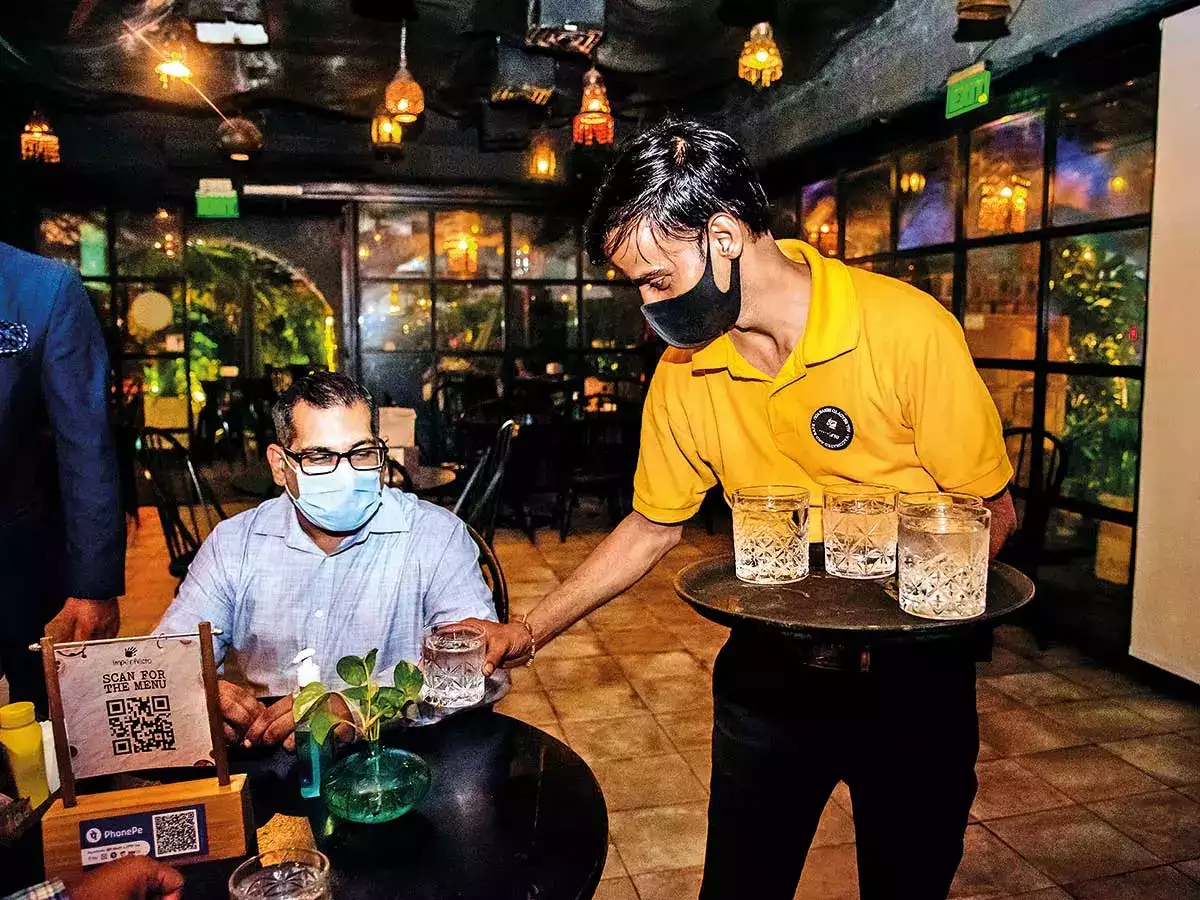
Parallel System for True Night-Time Economy
While these measures have been welcomed by industry leaders, several restaurant owners argue that a parallel system is required to truly boost the night economy. According to Karan Srivastava, who works at a popular Connaught Place food outlet, extending the operational hours of eateries won’t suffice unless there’s a corresponding increase in late-night activities across the city. “Opening restaurants till late will only work if offices, cinema halls, and shopping centers are also allowed to stay open late. Without customers, we risk wasting food and resources,” Srivastava explained.This sentiment is echoed by Madan Taneja, who operates a food stall near ITO. He noted that there is little point in keeping shops open late if there are no customers. Taneja suggested that the government must encourage other businesses, such as offices and entertainment venues, to operate during extended hours, as this would help attract more foot traffic and boost sales.
Challenges for Restaurant Owners
For many restaurant owners, adjusting to the new system will not be easy. Deepak Khattar, owner of the famous Moolchand Paratha outlet, emphasized that business operations would need to be overhauled if they were to remain open late. "We would need to introduce shift systems and ensure that our staff is equipped with proper safety equipment," Khattar said.Safety and security remain top concerns for both business owners and customers. “People will only come out if they feel safe, and we will only stay open if safety is ensured," Khattar added, recalling how his father used to operate the shop at night from 8 PM to 4 AM, but eventually shifted to daytime hours due to security issues.
Safety and Infrastructure Development
Restaurant owners are calling for a robust safety plan to accompany the government’s night-time economy initiatives. This would include increased law enforcement and infrastructure improvements, such as better lighting and enhanced parking facilities in popular food hubs.The National Capital Region Planning Board (NCRPB), in its Regional Draft Plan 2041, has also recommended that NCR states encourage the night economy by developing suitable infrastructure and amenities. The board emphasized that enhancing vibrancy, public facilities, and ensuring safety at night would be crucial to the success of this initiative.

Conclusion
Delhi's efforts to promote a night-time economy are promising, but restaurant owners believe a broader plan is essential for success. A parallel system that allows various establishments like offices, cinema halls, and shopping centers to operate late into the night, along with robust safety measures, will ensure that businesses thrive and customers feel safe. If effectively implemented, these policies could significantly boost the city’s hospitality sector, create more jobs, and transform Delhi into a bustling hub of night-time activity.
Hashtags#DelhiNightEconomy #RestaurantOwners #HospitalitySector #FoodTruckPolicy #CloudKitchens #NightSafety #PolicyReforms #ManishSisodia

 Launch your Graphy