There are no items in your cart
Add More
Add More
| Item Details | Price | ||
|---|---|---|---|

India’s agricultural output, particularly in milk, fruits, and vegetables, continues to grow. However, despite this abundance, the country’s food processing (FP) sector remains underutilized. Globally, around 30% of agricultural produce is processed, while in India, this number lags at 2.7% for vegetables and 4.5% for fruits. Scaling up food processing offers immense potential to reduce post-harvest losses and add value to the agricultural economy. One effective strategy is to tap into the power of household-based food enterprises, which have deep roots in Indian culinary traditions.
The Rise of the Food Processing Sector
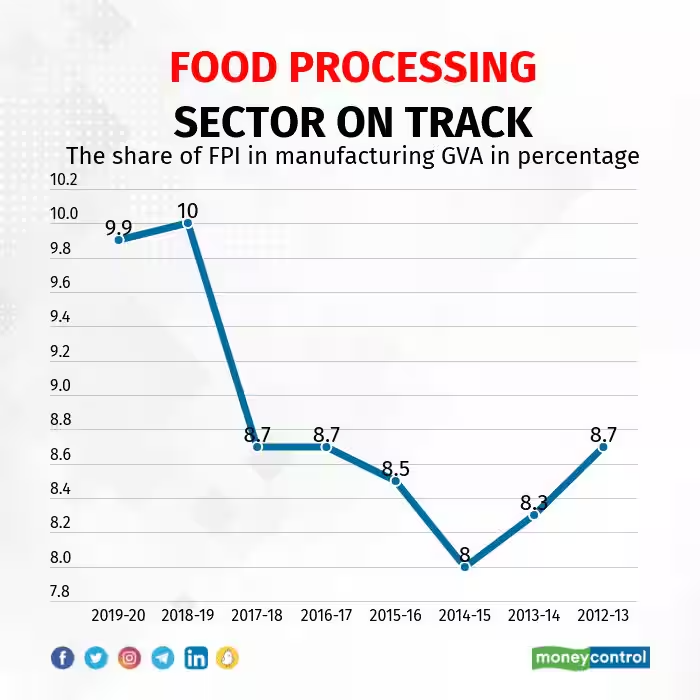
The growth of India’s FP sector is driven by changing lifestyles, rising disposable incomes, and urbanization. Notably, this sector plays a critical role in employment generation, with women making up a significant portion of the workforce. The unorganized, informal sector currently employs 70% of workers in food processing, which reflects both an opportunity and a challenge.In 2020, the government launched the Micro Food Processing Enterprises Scheme (PMFME) to formalize these enterprises, providing them with resources and technical support. However, formalization remains a challenge due to regulatory hurdles.
Household Food Processing: A Tradition of Excellence
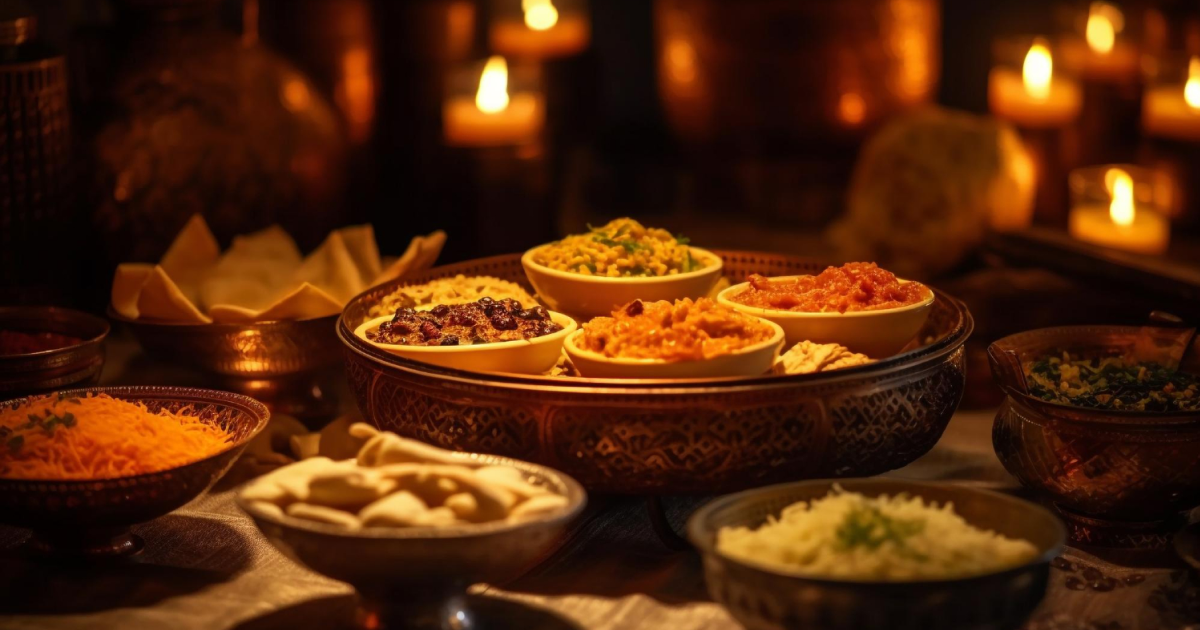
India has a rich tradition of household food processing, with staples like pickles, jams, dosas, bread, and idlis prepared fresh in homes across the country. These homemade foods have several advantages: they retain micronutrients, use minimal levels of fats, sugars, and salts, and preserve the unique culinary characteristics of local chefs. Popular homemade items like kombucha, pickles, and kefir also provide health benefits by acting as probiotics and postbiotics.The appeal of household food processing lies in its transparency and freshness. Consumers today demand to know the origins of their food, and locally sourced, home-prepared products offer traceability, sustainability, and a lower carbon footprint.
Empowering Women Through Home-Based Food Processing
Women’s participation in India’s workforce remains low, at only one-third of the rate seen in other countries with similar income levels. Interestingly, while household income is positively correlated with child health, a mother’s employment may compromise child care. Encouraging home-based food processing allows women to earn an income while remaining available for family duties. This model of employment can significantly reduce income poverty and multidimensional poverty in society by providing flexible work opportunities for women.
Challenges to Formalizing Household Enterprises
Despite the potential, regulatory barriers impede the growth of home-based food processing enterprises. Under India’s food laws, every food business, regardless of size, must be registered, which often requires commercial premises, municipal permissions, and health clearances. Small, home-based units struggle to meet these requirements. Additionally, the Food Safety and Standards Authority of India (FSSAI) mandates that each registered unit employ a "technically qualified person" to oversee operations, a condition often beyond the means of micro enterprises.In contrast, countries like the U.S. have adopted Cottage Food Laws, which govern home-based food production. These laws allow residents to produce certain non-hazardous foods in their homes, provided they sell directly to consumers. A similar framework in India could unlock the potential of household food processors.
Conclusion
Scaling up food processing in India requires tapping into the potential of household enterprises. By addressing regulatory barriers and providing more flexible operating conditions, India can empower women, reduce post-harvest losses, and preserve local culinary traditions. Embracing household-based food processing can create a more inclusive and sustainable food system, transforming the country’s food processing sector.
Hashtags #FoodProcessing #WomenEmpowerment #MicroEnterprises #PMFME #LocalCulinaryTraditions #CottageFoodLaws #India
 Launch your Graphy